Meta Wants a Cut of Muse Agent’s Purchases. Amazon Isn’t Playing Along.



Set Trending Topics as a preferred source on Google.
Meta plans to make money from its AI agent Muse whenever users shop with it, but the biggest online retailer in the Western world has already shut the door. At its Meta Connect conference on Wednesday, Mark Zuckerberg laid out for the first time how the personal agent is supposed to pay for itself: through a share of the transactions Muse completes on behalf of its users, rather than through ads or subscriptions alone.
“We believe that Muse will make you money. And we are standing behind this by making Muse free for a huge number of tokens with the expectation that over time we will profit by taking a small fee from transactions,” Zuckerberg said. Meta has not yet disclosed how large that fee will be, which transactions it will apply to or when it will start charging it.
What the Free Version of Muse Includes
Muse launched in the US in early September as an app for iOS and Android, on the web at muse.ai and inside WhatsApp. The agent writes and sends emails, books travel, fills out forms, builds shopping lists and makes purchases. It keeps working after the app is closed and checks back in when it needs approval, as Trending Topics reported.
The free tier includes 100 million tokens per week, an unusually generous allowance for a consumer service. Users who need more can upgrade to one of two paid plans: “Power” costs $20 (about €17) per month and offers 500 million tokens per week, while “Maximum” costs $100 (about €85) per month and includes three billion tokens per week. A payment card is required even for the free tier, which Meta uses for age verification and to prevent abuse.
That generous free allowance is part of the math: the more people use Muse and shop through it, the more transactions Meta can eventually charge a fee on. So far, the launch has gone well. Muse has overtaken ChatGPT as the top free app in Apple’s App Store.
Why Muse Isn’t Available in Europe
European users are left out for now. Meta’s announcement only says Muse is “rolling out in the US,” with no explanation and no timeline for Europe. Trending Topics covered the US-only launch when the agent first went live.
Regulation is the most likely reason. An agent with access to emails, calendars, payment data, health apps and Instagram and Facebook accounts touches several EU rulebooks at once. The GDPR places tight limits on processing sensitive data and on automated decisions with financial consequences. The AI Act adds transparency obligations, for example when an agent sends emails on someone’s behalf. And as a gatekeeper under the Digital Markets Act, Meta may only combine data from different services with users’ explicit consent, yet linking WhatsApp, Instagram and Muse is central to the concept. Meta has repeatedly launched AI features in Europe later or in a reduced form, most recently its image model Muse Image.
Amazon Cuts Off Muse
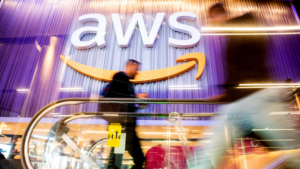
Before Zuckerberg could even present the business model on stage, it had already taken a hit. Last weekend, less than two weeks after launch, Amazon locked the agent out. Anyone trying to shop on Amazon through Muse now sees a notice stating that “continued access by an unauthorized AI agent violates Amazon’s Conditions of Use.”
According to Forbes, Amazon justifies the move by saying Meta never asked for permission, the bot does not identify itself while browsing, it accesses order histories and it appears to store customer credentials. “Third-party applications that offer to make purchases on behalf of customers from other businesses should operate openly and respect service provider decisions about whether or not to participate,” an Amazon spokesperson said. Meta has not commented publicly.
Observers also see economic motives behind the block. Amazon’s advertising business brought in around $68 billion (about €58 billion) last year, much of it from sponsored products on its own platform. An AI agent that searches and buys on a user’s behalf never sees those ads. Tech Times also points out that Amazon’s own shopping agent, “Buy for Me,” makes purchases on third-party retailer sites without prior consent, leaving merchants to opt out actively.
A Direct Hit to Meta’s Business Model
For Meta, the block is more than an image problem. A model built on transaction fees only works where retailers allow the agent in. Without the largest online marketplace in the US, a significant share of the purchases Meta could earn from is out of reach.
Meta responded with partnerships. At Connect, Zuckerberg announced deals with Walmart, Best Buy, Gap, Sephora and Wayfair, along with integrations for Expedia and Instacart and payment support through Stripe, Shopify, Shop Pay and PayPal. Amazon is missing from the list.
The Race for AI Shopping Agents
Meta is not alone in wanting a cut of agentic commerce. OpenAI already lets ChatGPT users buy directly from partner merchants and charges those merchants a fee, while Google is building shopping features into Gemini and Search. Perplexity has been locked in a legal dispute with Amazon over its Comet browser agent for some time, with Amazon now relying mainly on its terms of service. Amazon, for its part, is betting on its own agents, Rufus and “Buy for Me.” The Muse case shows that the question of which agents are allowed to shop where is increasingly deciding which business models can survive in the age of AI agents.