Tumbleweed Raises €6.9 Million: “We Want to Switch Gravity Off and Back On”


Set Trending Topics as a preferred source on Google.
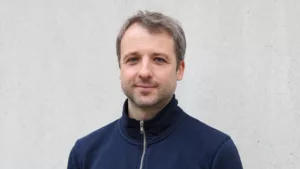
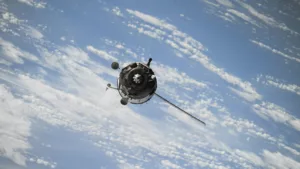
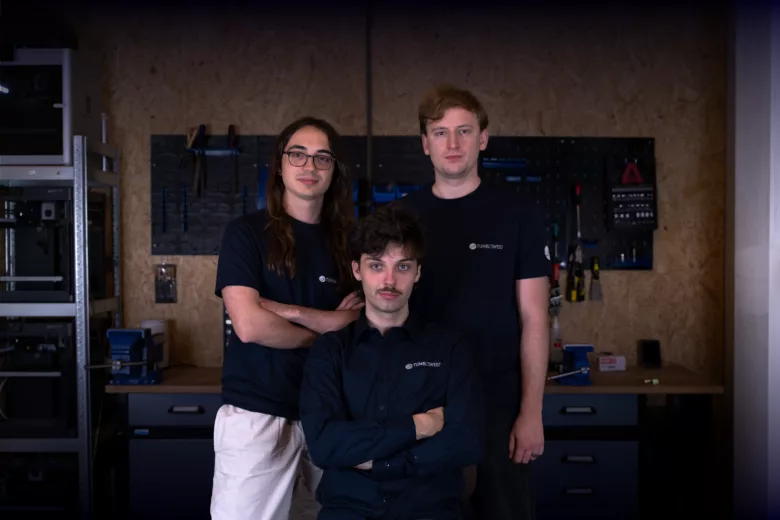
Launch the satellite first, ask for money later: Vienna-based start-up Tumbleweed has flipped the usual order and, after the successful launch of Oasis Alpha, Austria’s first commercial satellite, has now raised €6.9 million in a seed round. That makes it one of the largest space tech financings in Europe this year. On the Trending Topics podcast, CEO Julian Rothenbuchner, who was already a guest in the summer, talks about the investors, the company’s own reentry capsule and why not a single Tumbleweed customer had ever been to space before.
Working Quietly Behind the Scenes
To many observers, Tumbleweed seemed to come out of nowhere. That was intentional. “It was very deliberately our plan to stay unknown,” says Rothenbuchner. Instead of making noise early, the team built relationships with ministries, suppliers and launch partners. The motto: “Let’s enter this with a bang.”
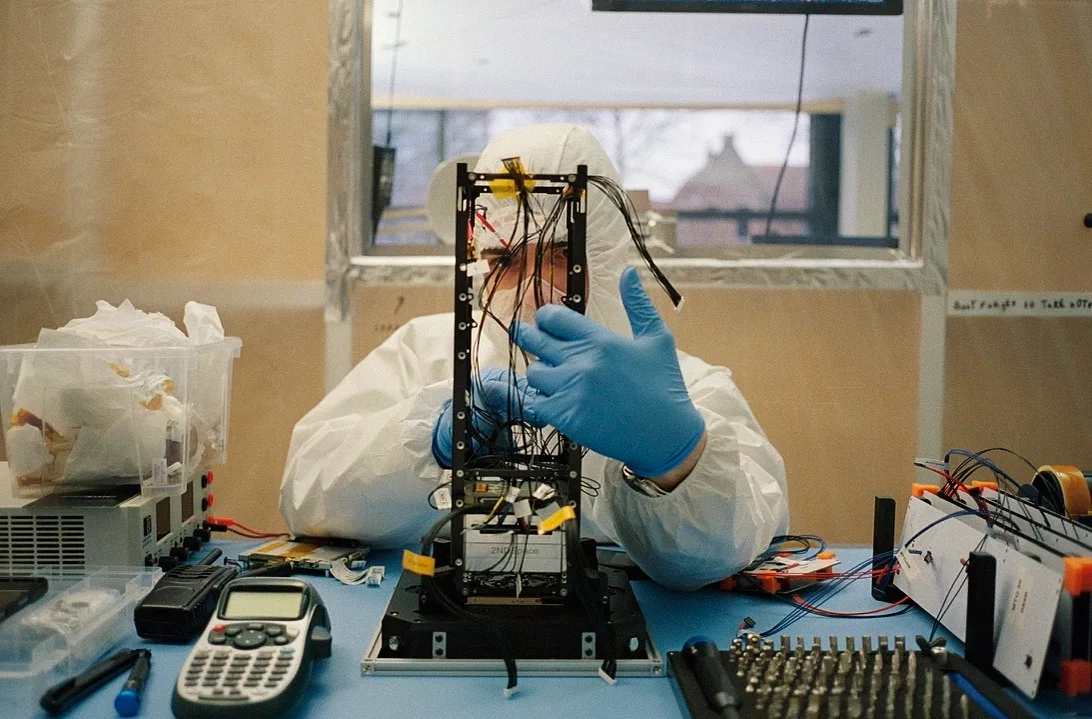
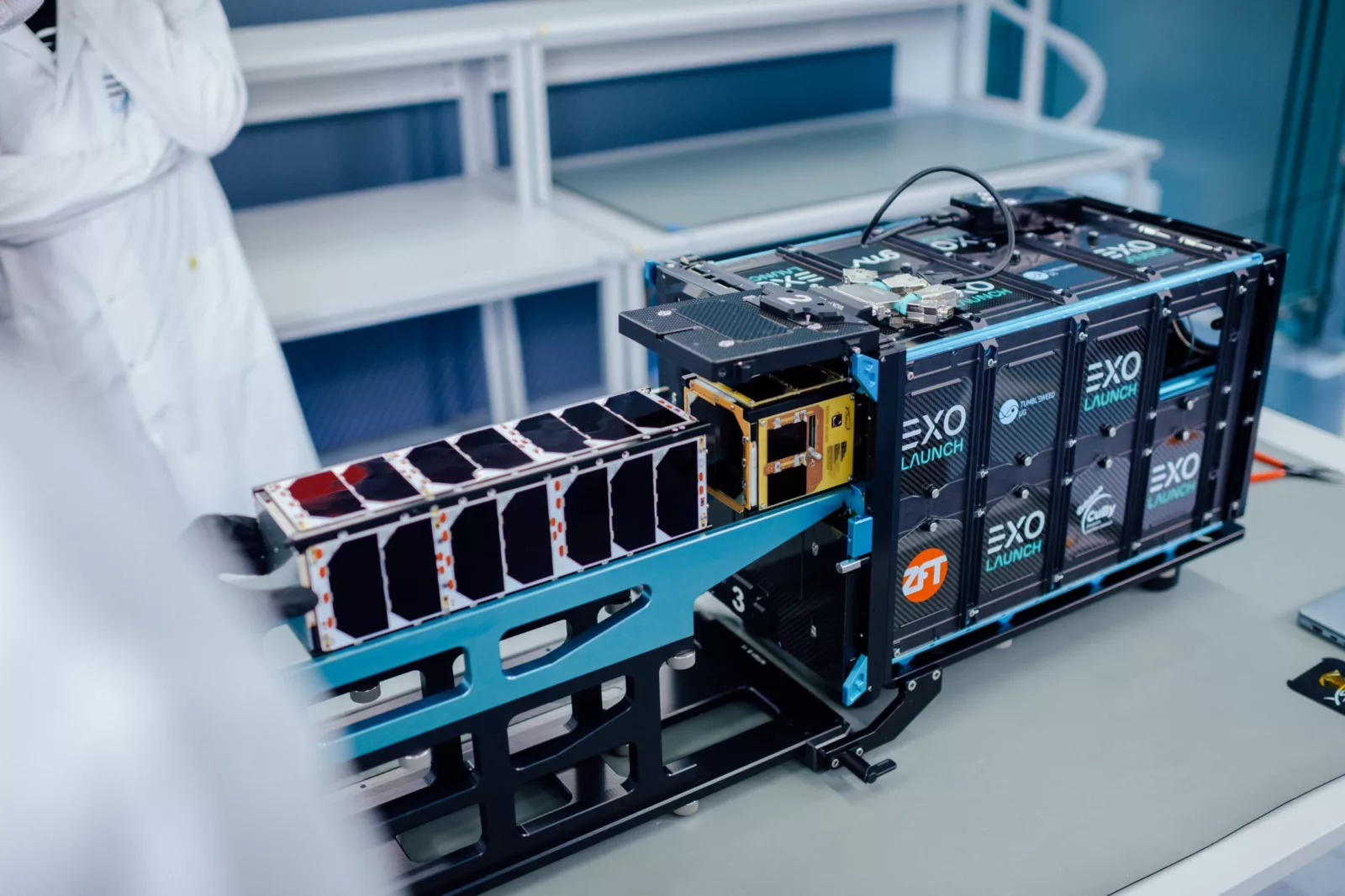
Oasis Alpha went to space in July with four customers on board, ranging from novel algorithms to protein production and materials research. The test mission has since been completed, and not everything went smoothly, Rothenbuchner admits. But it proved the key point: Through pre-certification, Tumbleweed takes on most of the regulatory work itself and gets customers to space “ten times cheaper and five times faster.” The approach was accepted by SpaceX as well as by the Austrian government, the U.S. Federal Aviation Administration and the U.S. Space Force.
A Health Tech Investor in the Lead
For the funding round, Tumbleweed deliberately looked beyond classic space VCs. “Space is very cool, but our customers are actually far more interested in what weightlessness can do,” says Rothenbuchner. The round is therefore led by health tech investor Pact, joined by backers with space experience. The goal: to combine customer expertise from biotech and health tech with credibility in the space sector. What mattered most to Tumbleweed was the lead investor’s network in the healthcare industry, in Europe as well as in the U.S.
The seed round is a big leap for a start-up that, according to Rothenbuchner, began with “a few tens of thousands of euros” in the founders’ savings. An early backer was the fellowship program EWOR, which only accepted Rothenbuchner on his third attempt, as he recounts on the EWOR podcast. Further support came from the incubator ESA BIC Austria and from the CASSINI initiative of the EU Agency for the Space Programme (EUSPA). Oasis Alpha itself was built in nine months for less than €500,000, so the fresh capital allows for much bigger steps.
Rothenbuchner sees Tumbleweed as a “cross-industry infrastructure provider.” The start-up builds “the weightlessness machine,” for pharma as well as for semiconductors and photonics. In weightlessness there is neither convection nor sedimentation, and cells age up to ten times faster, which can speed up research into Alzheimer’s or Parkinson’s. Semiconductor crystals grow with up to ten times fewer defects. “We see microgravity as an industrial resource,” the CEO says. Dual use is also relevant in the medium term, he adds, but not a major focus right now.
Building Its Own Reentry Capsule
A large share of the money will go into Tumbleweed’s own reentry vehicle, because almost every application requires the materials to physically return to Earth. “If I manufacture a semiconductor material in space, it doesn’t help me if it stays up there,” says Rothenbuchner. Much like the Apollo missions, the capsule will slow down, enter the atmosphere at 25 to 27 times the speed of sound and land by parachute, though not in Austria. Offers for landing sites in large, uninhabited areas are already on the table.
The company tried relying on other platforms, “and that was difficult.” That is why Tumbleweed is betting on vertical integration. In the end, the best capsule is not what counts anyway: “It’s about who can switch gravity off and back on at the lowest overall project cost and the shortest timelines.”
Three Launches in 2027, Reentry in 2028
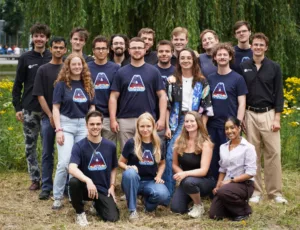
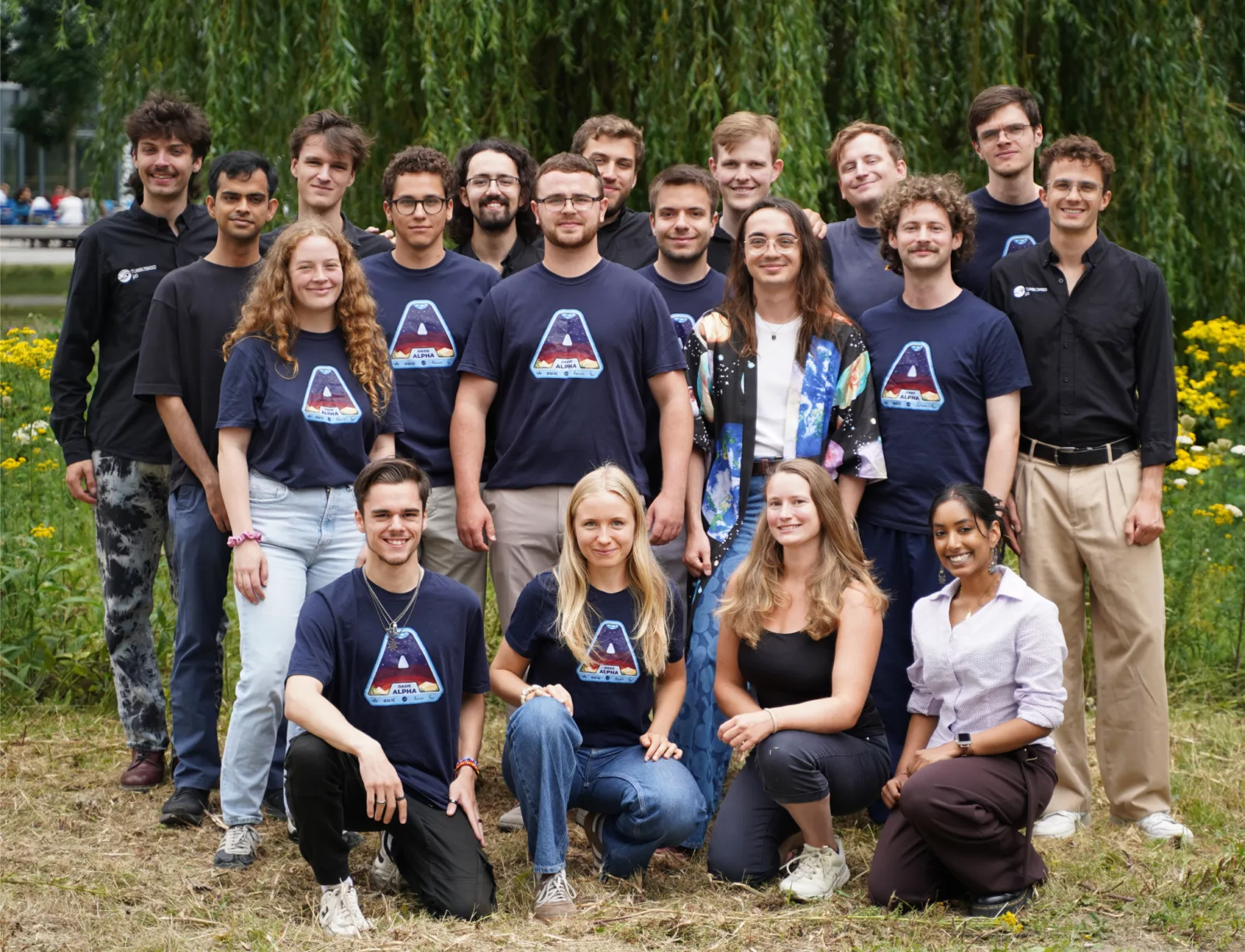
The team has grown to more than 20 engineers, and the first parts for Oasis Beta are already being milled. Tumbleweed plans at least three launches in 2027, followed by the reentry capsule in 2028. With SpaceX offering less room for rideshare customers and prices rising, Rothenbuchner is focusing on diversification: There is already a memorandum of understanding with SIRIUS Space Services, plus suborbital flights that deliver three to five minutes of weightlessness. Among the features on the roadmap is “late integration”: Samples will be loaded into the satellite two days before launch instead of two months.
The CEO sees a strong signal in the customer base: “Every single customer is a first-time space user.”
Competitors With Hundreds of Millions
Tumbleweed is not alone in this market. U.S. rival Varda Space Industries recently raised $251 million in a Series D and has already completed six reentry missions. In Europe, Space Forge from Wales is working on semiconductors made in orbit, while The Exploration Company and ATMOS Space Cargo are developing reentry capsules.
Milligrams, Not Bioreactors
Whether manufacturing in space pays off economically remains an open question. In an analysis, Cody Tranbarger of Atlas Venture writes that the fully loaded cost of space-based biomanufacturing “is largely unknowable today.” Current processes produce “milligrams to grams of material at best,” while blockbuster drugs are made in bioreactors of more than 10,000 liters. On top of that, there is not yet a regulatory framework for products made in space. Tranbarger calls it a story of more than ten years.
A School That Breeds Founders
Tumbleweed’s roots go back to Rothenbuchner’s class at Vienna’s Sir Karl Popper School. There, in 2016, he and Moritz Stephan founded the Mars rover project Tumbleweed Mars. Stephan has since raised $60 million in Silicon Valley for his A.I. start-up Hone. Three start-ups were founded in that class while the students were still at school. “That was simply made possible for us, it was encouraged,” says Rothenbuchner.
Incidentally, the CEO himself is in no hurry to go to space. He is critical of space as a prestige project: “Space has to be seen as a platform for building crazy businesses, not as something fun where you can book a cool joyride into space.”